








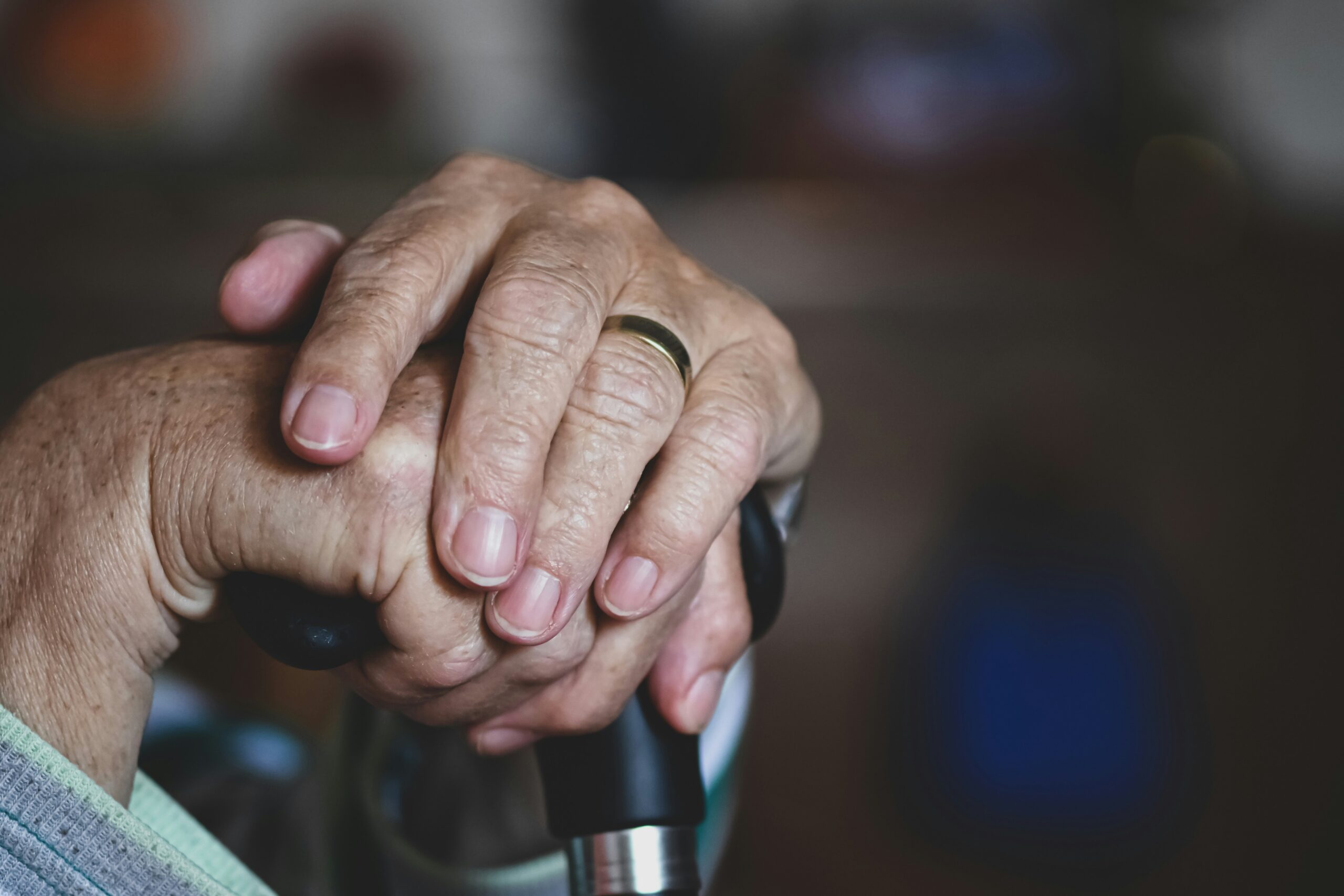
Older adults (age 55+) are one of the fastest-growing groups experiencing homelessness, often due to rising housing costs, fixed incomes, and health concerns. This crisis sits at the intersection of major systems:
Aging Services- Behavioral Health
- Health Care
- Housing & Homelessness Response
Despite these systems serving many of the same people, they are often not appropriately integrated with one another; they operate with different funding streams, eligibility criteria, data systems, and accountability structures, often creating fragmentation that older adults can easily fall through.
What are the Unique Challenges Faced by Older Adults Experiencing Homelessness?
Even before experiencing homelessness, older adults often face a distinct set of aging-related challenges, such as complex health and function decline, social isolation, and fixed or limited income. When homelessness is layered in, these challenges are then exacerbated, leading to accelerated aging, higher mortality risks, and barriers to care. Cumulatively, these vulnerabilities make it more difficult to exit homelessness compared to their younger counterparts. Without targeted action, this issue will continue to grow.
Why Partnerships Are Essential
As the U.S. population continues to age, cross-sector integration between the Aging Network and homeless response system is not only beneficial, but also essential to ensure older adults age with dignity, stability, and access to the supports they need. Stronger partnerships are needed between the key leading systems that serve each group: Continuums of Care (CoCs) — which coordinate local strategy and the use of housing resources — and Area Agencies on Aging (AAAs), which specialize in providing home and community-based services.
CoCs may not always have the capacity or expertise to address the complex health and aging-related needs of older adults, and aging professionals may not have specialized knowledge of housing resources. Partnerships between AAAs and CoCs can create more effective responses that combine housing assistance with supportive services tailored to older adults. Stronger partnerships lead to more effective prevention strategies, better support for older adults, and promote housing stability.
Taking Action
It is not enough for these sectors to simply coordinate referrals; true integration requires shared planning, aligned funding strategies, and cross-training of staff to better understand the overlapping needs of older adults. Prevention must be a central focus of any effective response. Importantly, these partnerships must also address equity concerns. Collaborative approaches between AAAs and CoCs provide an opportunity to intentionally design joint interventions that are culturally responsive and equity focused.
Ultimately, to help move beyond crisis response toward a proactive, coordinated approach that supports housing stability, health and dignity for older adults, USAging launched Doors to Housing for Older Adults with the National Alliance to End Homelessness. This initiative shares a set of successful strategies and best practices for the development of strong, effective partnerships between AAAs and CoCs to help prevent and address older adult homelessness.
Resources
You might also be interested in




Stay Updated: Solutions, Stories, and Ways to Make an Impact
Sign up to receive updates on the Alliance’s work, including the latest research, advocacy efforts, and real stories of progress — plus ways you can help drive lasting change.